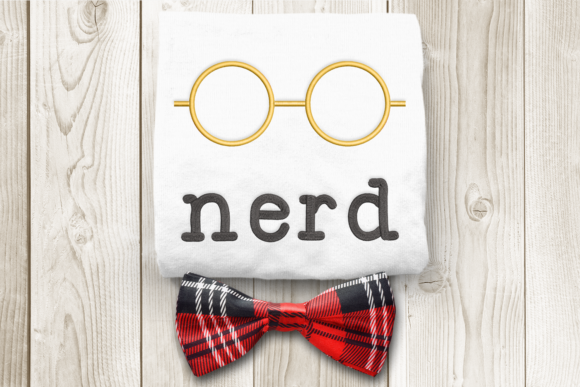
Round Nerd Glasses
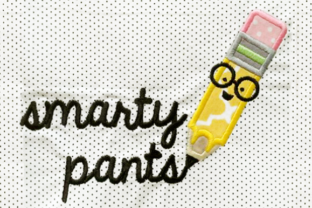
The Round Nerd Glasses machine embroidery design is a fun and versatile addition to any craft fair product lineup. With its playful yet polished look, it offers a unique way to add personality to a wide range of handmade products. Whether you're setting up a booth for a back-to-school season or simply looking for a fresh design to expand your offerings, this embroidery file has the potential to stand out in a crowd.
First Impressions: A Smart and Cute Design
From the first glance, Round Nerd Glasses feels modern and approachable. The design balances a bit of humor with a touch of sophistication, making it ideal for both casual and slightly more refined settings. It doesn't scream "funny" but rather exudes a friendly, clever vibe that appeals to a broad audience. This makes it a great choice for tote bag design, apron embroidery, and other everyday items that customers might use daily.
Where Round Nerd Glasses Shines
This embroidery design works well on a variety of products. On tote bags, it adds a subtle yet eye-catching detail that can make a statement without being overwhelming. For apron embroidery, it brings a sense of character to kitchen wear, while tea towel embroidery featuring Round Nerd Glasses can become a conversation starter in any home. Caps, patches, and fabric pouches also benefit from this design, offering a stylish way to personalize accessories.
- Tote Bag Design: Perfect as a focal point or accent, especially on light-colored fabrics where the detail stands out.
- Apron Embroidery: Adds a whimsical touch that complements the practicality of the item.
- Tea Towel Embroidery: Works well when placed near the edge, drawing attention without cluttering the space.
- Embroidered Patch: Ideal for attaching to backpacks, jackets, or hats for a quick style upgrade.
- Fabric Pouches: Adds a personal flair that makes each piece feel special and handmade.
Practical Selling and Production Points
Round Nerd Glasses is easy to understand at a glance, which is essential for a craft fair product. Its clean lines and recognizable shape make it immediately appealing to customers browsing your booth. It can be used as a small accent or scaled up for a larger focal design, depending on the product and desired impact.
When photographing for online listings, this design tends to hold up well, especially on light backgrounds. However, it may lose some clarity when printed at smaller sizes, so it's important to consider how it will appear in digital embroidery files and printable mockups. For batch production, the design is repeatable and consistent, provided the stitch density is managed properly.
Careful-Use Notes
While Round Nerd Glasses is generally straightforward to work with, there are a few things to keep in mind. Dense stitch areas could cause puckering on thin or stretchy fabrics, so using the right stabilizer is crucial. Tiny details may not show up clearly on textured towels or dark fabrics, so testing on different materials is recommended. When working on curved surfaces like caps, careful hoop placement ensures even stitching and prevents distortion.
Impact on Visual Appeal and Customer Engagement
This design enhances visual appeal by adding a unique element to otherwise plain items. Customers often notice it first, drawn in by its clever concept and clean execution. As a handmade product, it reinforces the value of your craft, showing that every detail is intentional and well-crafted. For a small shop product, Round Nerd Glasses can help build brand consistency, especially if it's part of a themed collection.
On the booth display, it can serve as a strong visual anchor, especially when paired with other similar designs. Buyers are more likely to engage with items that have a clear, attractive feature, and this embroidery design provides exactly that.
Embroidery Designer Notes
Before finalizing your craft fair product lineup, test the Round Nerd Glasses embroidery file on scrap fabric to see how it looks in real life. Check thread colors against the fabric to ensure contrast and visibility. Review the spacing between elements to avoid overcrowding, and confirm the hoop size needed for your machine. Inspect the stitch density to prevent issues with thick fabrics or textured surfaces.
Creating at least one real mockup is essential—seeing how it looks on an actual item helps you make better decisions about pricing and presentation. Compare fabric colors to ensure the design remains visible and cohesive. Finally, always confirm commercial licensing before selling finished products to avoid any legal issues.