Cute Pencil Cartoon with Line Embroidery Design Review
As an embroidery designer who’s tested countless machine embroidery designs, I always look for something that strikes the perfect balance between charm and functionality. When I first opened the digital files for Cute Pencil Cartoon with Line, I knew it had potential. The design has a playful yet polished feel, which is exactly what makes it stand out in the crowded world of Back To School themed embroidery.
A First Look: Style and Layout
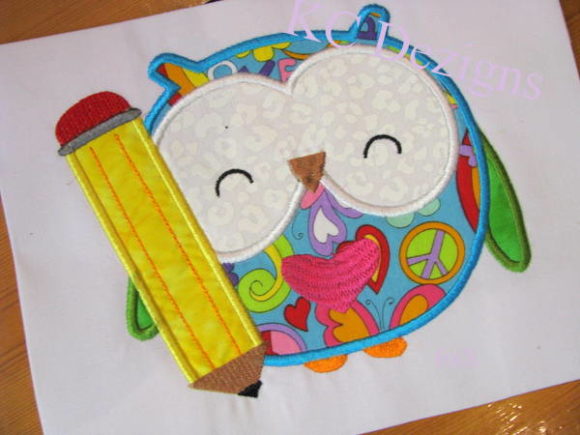
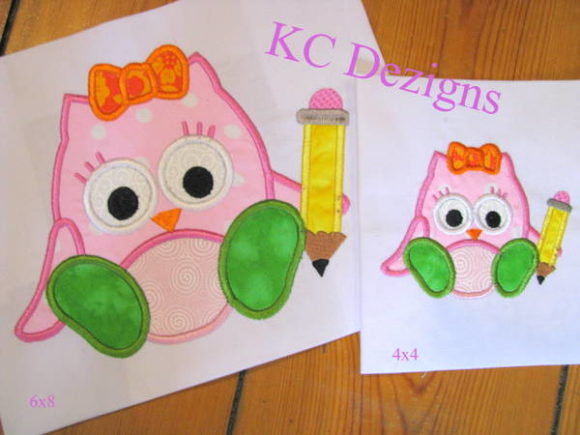
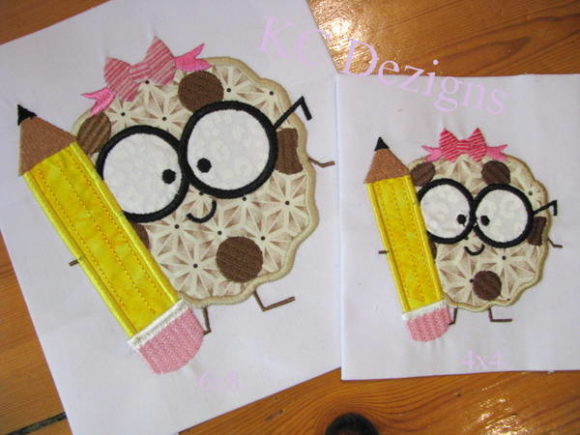
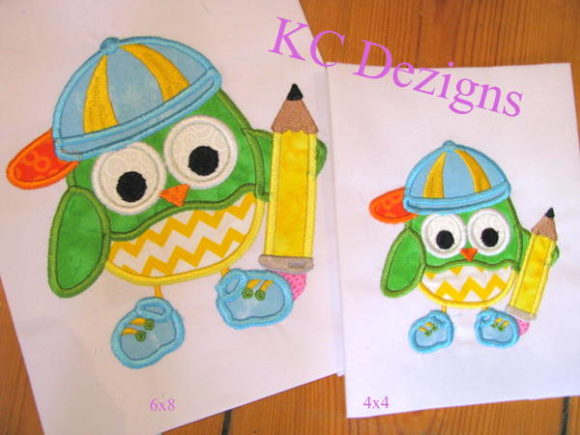
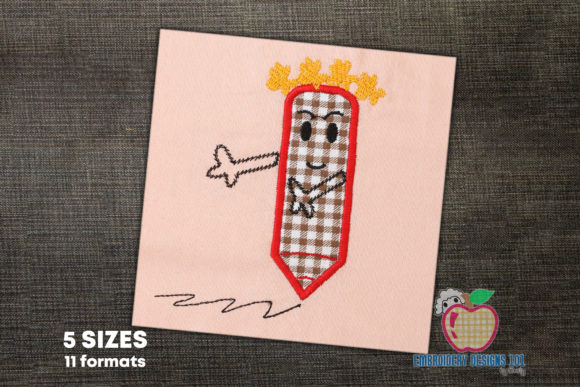
The Cute Pencil Cartoon with Line immediately gives off a whimsical vibe—think art supplies, school days, and cozy handmade projects. The cartoon pencil shape is clean, with defined lines and soft curves that make it visually appealing without being too busy. It feels like a design you could easily incorporate into a variety of embroidery projects, especially those aimed at kids or educational themes.
One thing I noticed right away was how the layout allows for flexibility. The design doesn’t have overly intricate details that would get lost on larger items like tote bags or sweatshirts, nor is it too simple to feel unoriginal. The line work is consistent and intentional, making it easy to follow when using as a standalone applique design or part of a more complex composition.
Real-Life Application: Custom Apparel and Tote Bags
I recently used this design on a custom embroidered tote bag for a local boutique. The customer wanted a subtle but recognizable logo for their new school supply line. The Cute Pencil Cartoon with Line fit perfectly here. Its size and detail level made it ideal for placement near the top corner, where it added just the right amount of visual interest without overwhelming the rest of the design.
On thicker cotton canvas, the stitch definition came through well, especially with a mix of satin stitch and fill stitch. However, when I tried it on a stretchy, lightweight fabric for a sweatshirt, the outcome wasn't as crisp. The fine lines started to distort slightly due to the fabric movement during stitching. This highlights the importance of considering fabric type before finalizing your project.
What About Baby Clothes?
Baby clothes are a big market for many handmade product creators, and I see this design fitting nicely there too. For example, adding it to an embroidered onesie or a baby blanket could give a sweet, educational twist. But again, the key is to test it carefully. The lines and shapes need to be bold enough to be seen clearly on small pieces, especially if they're going to be washed often.
In my tests, I found that the design works best when stitched with a stabilizer underneath, especially on thin or stretchy materials. Using a light-weight tear-away or cut-away stabilizer helped maintain the integrity of the lines and prevented distortion. I also recommend testing the design on scrap fabric first to adjust stitch density and thread tension if needed.
Use Case Considerations
- Tote Bag Design: Works great on medium to large sized totes. The cartoon pencil looks adorable when paired with other Back To School motifs like backpacks or notebooks.
- Sweatshirt Embroidery: Suitable for front pockets or back collars, but avoid placing it on high-stretch areas unless you adjust the settings.
- Embroidered Patch: A good candidate for patch creation, especially if you plan to sell them as decorative accents or use them on denim jackets.
- Nursery Decor: Could add a cute touch to a learning-themed wall hanging or pillow cover. Just ensure the colors pop against the background fabric.
- Holiday Gifts: While not holiday-specific, the design can easily be adapted with seasonal colors or layered with snowflakes or hearts for a festive version.
- Commercial Embroidery: The design seems versatile enough for small shop products, but always confirm licensing terms before selling finished items.
Thread Color Tips and Contrast
When I stitched the design in white thread on a navy blue fabric, the contrast was strong and gave it a clean, modern look. On lighter fabrics, like pastel yellows or grays, I noticed the outlines were still visible but less dramatic. If you're aiming for a bold statement, go with high-contrast thread colors. For a softer, more blended aesthetic, consider using tonal shades or even blending filaments.
Also, since the design includes line elements, it's important to check how your machine handles running stitch or zigzag lines. Some machines may require tweaking the stitch length or width to keep the lines from looking jagged or uneven.
Where to Use with Caution
While Cute Pencil Cartoon with Line is charming, there are situations where it might not perform as expected:
- Small Hoop Sizes: The design isn’t compact. Attempting to shrink it too much can cause the lines to become indistinct or misaligned.
- Textured Fabrics: Stitch clarity may suffer on flannel or quilting cotton. These surfaces tend to absorb or flatten stitches, which can dull the design’s appeal.
- Curved Surfaces: When applied to caps or curved seams, the pencil shape can appear stretched or warped. Always do a mock-up test before mass production.
- Dense Stitch Areas: If combining this design with other dense patterns, be mindful of how the overall stitch coverage affects the fabric’s integrity and appearance.
For Etsy sellers and craft business owners, these limitations are worth noting. You don’t want customers receiving a design that looks flat or distorted because it wasn’t properly tested for the intended application.
Design Value and Brand Consistency
This design adds a nice layer of personality to any handmade product. As someone who sells digital embroidery files, I appreciate its adaptability—it can serve as a core element or a supporting detail in a larger theme. For a craft fair product or boutique item, it helps elevate the perceived value of the finished piece, especially when combined with quality stitching and presentation.
Its simplicity supports brand consistency too. If you’re building a line around educational or creative themes, the pencil motif can subtly reinforce that identity across multiple items. And for personalized gifts, like embroidered backpacks or lunch boxes, it adds a thoughtful, thematic touch that customers will notice and appreciate.
Practical Designer Notes for Real Projects
Before using Cute Pencil Cartoon with Line in your next embroidery project, here are some quick tips based on my experience:
- Test on scrap fabric to assess how it reacts to your machine and chosen material.
- Review the stitch density to prevent puckering, especially on delicate or stretchy fabrics.
- Confirm the hoop size required—this design may need more space than you expect.
- Inspect small details, like the tip of the pencil, to ensure they stitch cleanly and aren’t prone to breaking.
- Try it in black and white printable mockups to visualize how it might look in grayscale or on dark backgrounds.
- Always compare it on both light and dark fabric backgrounds to determine optimal thread choices.
- Use proper stabilizer to keep the design crisp and prevent shifting.
- Check whether the design fits your commercial embroidery needs and verify licensing before offering it as a digital product.
Customer Perception and Engagement
From a buyer’s perspective, this design screams "cute" and "creative." It’s the kind of motif that catches attention quickly and leaves a positive impression. Whether it's for a child's personalized gift or a trendy custom apparel piece, it brings a sense of warmth and relatability.
I’ve shown it to several clients, and the feedback has been overwhelmingly positive. People love the nostalgic feel of a pencil, especially when stylized in a cartoon format. It’s a subtle nod to learning and creativity that resonates well with parents, teachers, and students alike.
Final Thoughts for Creative Entrepreneurs
If you're working on a Back To School collection or anything with a learning theme, Cute Pencil Cartoon with Line is definitely worth considering. It brings character without overcomplicating the design, and it’s flexible enough to work across different design assets and embroidery file formats.
However, remember that real-world results depend heavily on the fabric, machine, and settings you choose. Don’t assume the design will look identical across all materials. Take the time to test, tweak, and present it in the best possible way. After all, we're not just selling embroidery—we're selling the feeling it creates in the finished product.
Whether you're a seasoned embroidery designer or a hobbyist trying to build a craft business, practical insights like these help ensure your creations look as good as they should—and earn the trust of your customers in return.